The Perfect Balance: Blended Fiber Sweaters

The Perfect Balance: Blended Fiber Sweaters
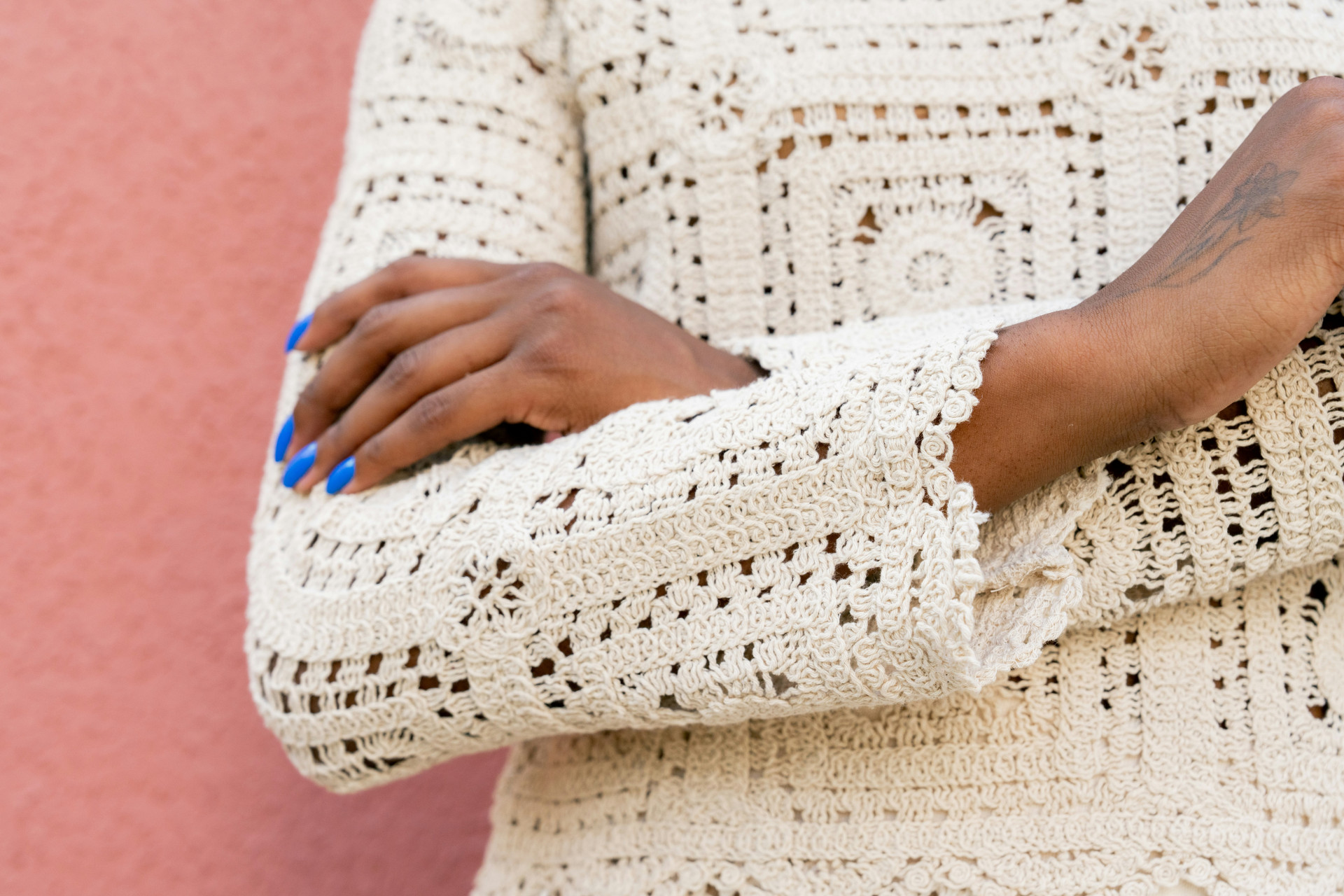
When you pick up a new sweater, you might not think about how the fibers in the fabric work together. Yet the mix of natural and synthetic fibers can make all the difference in how the sweater feels, fits, and performs in everyday life. Blended fibers have become a cornerstone of modern textile design—and for good reason. They combine the best qualities of different materials to create clothing that’s comfortable, durable, and easy to care for.
Why Blend Fibers?
Every fiber type has its strengths and weaknesses. Wool is warm but can shrink. Cotton is soft but slow to dry. Polyester is strong but less breathable. By blending them, manufacturers can balance out the drawbacks and enhance the benefits.
A classic example is a wool and polyester sweater. Wool provides warmth and natural temperature regulation, while polyester helps the sweater keep its shape and dry faster. The result is a garment that feels natural yet performs well in daily wear.
Popular Fiber Blends
There are countless combinations, but a few stand out for their versatility and comfort:
- Cotton and polyester – one of the most common blends. It offers a soft feel with added resistance to shrinking and wrinkling. Perfect for everyday sweaters and sweatshirts.
- Wool and acrylic – acrylic lightens the wool and improves durability while maintaining warmth and softness. A great choice for knit sweaters that need to hold their shape.
- Viscose and spandex – viscose gives a smooth, cool drape, while spandex adds stretch and flexibility. Ideal for fitted sweaters and lightweight tops.
- Merino wool and nylon – a favorite in performance wear, where nylon boosts strength and merino wool ensures breathability and odor resistance.
Læs også:
Comfort and Everyday Function
Blended fibers aren’t just about technology—they’re about comfort. A sweater that feels good against your skin and keeps its shape after many washes quickly becomes a wardrobe staple.
Synthetic fibers like polyester and nylon help wick moisture away from the body, while natural fibers like cotton and wool provide breathability and temperature control. That means you can find sweaters suited for the office, weekend outings, or outdoor adventures—without sacrificing comfort.
Care and Durability
One of the biggest advantages of blended fibers is that they often require less maintenance than pure natural fibers. They wrinkle less, dry faster, and hold their color longer. That makes them ideal for busy lifestyles where clothes need to keep up with the pace of the day.
Still, it’s important to follow the care label. Use a gentle detergent and avoid high heat—especially if the sweater contains wool or viscose. With proper care, a blended fiber sweater can keep its shape and color for years.
Sustainability and the Future of Textiles
Blended fibers have faced criticism for being difficult to recycle since they combine multiple materials. However, the textile industry is developing new technologies to separate and reuse fibers more efficiently. At the same time, more sustainable blends are emerging, such as recycled polyester mixed with organic cotton or certified wool.
For consumers, the key is to choose quality over quantity. A well-made sweater in a thoughtful fiber blend can last for many seasons—and that longevity is a sustainable choice in itself.
The Perfect Balance
A blended fiber sweater represents the harmony between nature and innovation. It brings together the comfort of natural materials and the performance of modern technology, resulting in clothing that looks good, feels great, and stands up to everyday life.
Next time you check a sweater’s label, take a closer look at the fiber mix. Behind those percentages lies a story of balance—between comfort and function, tradition and progress.
Læs også: