Comfort and Durability in One – When Fibers Create Balance

Comfort and Durability in One – When Fibers Create Balance
When we choose what to wear, it’s rarely just about style. We notice how the fabric feels against our skin, how long it lasts, and how it holds up to everyday life. In a time when quality and sustainability matter more than ever, it’s worth exploring how different fibers—both natural and synthetic—can work together to create the perfect balance between comfort and durability.
Nature’s Own Fibers – Soft, Breathable, and Timeless
Cotton, wool, linen, and silk have been wardrobe staples for centuries. These natural fibers have an exceptional ability to regulate temperature and moisture, making them comfortable to wear year-round.
- Cotton is soft, breathable, and easy to care for—ideal for everyday wear.
- Wool insulates even when damp, making it perfect for cozy sweaters and lightweight layers alike.
- Linen feels cool against the skin and becomes softer with every wash.
- Silk offers a luxurious feel and natural temperature regulation, though it requires gentle care.
The challenge with natural fibers is that they can wear out faster or lose shape if not treated properly. That’s why they often perform best when combined with modern fibers that add strength and resilience.
Modern Fibers – Strength and Function for Everyday Life
Synthetic fibers such as polyester, nylon, and spandex were developed to enhance durability, elasticity, and shape retention. They dry quickly, resist wrinkles, and can significantly extend the lifespan of a garment.
When used thoughtfully, these fibers can improve comfort without sacrificing quality. For example, a wool sweater blended with a touch of nylon retains wool’s warmth and softness while becoming more resistant to wear and stretching.
The Perfect Blend – When Fibers Work Together
Today’s textile innovation is all about finding the right balance between nature and technology. A cotton-polyester blend can feel as soft as pure cotton but hold its shape better after many washes. A mix of merino wool and spandex offers flexibility and comfort that suits both office wear and outdoor adventures.
It’s in these blends that the future of clothing takes shape—where comfort, performance, and durability meet.
Læs også:
Sustainability and Responsible Choices
When we talk about fibers, it’s not just about how they feel or how long they last—it’s also about their environmental impact. Natural fibers often require significant water and energy to produce, while synthetic fibers are typically derived from petroleum. That’s why many brands today are turning to recycled materials and certified fibers to reduce their environmental footprint.
A good rule of thumb is to choose quality over quantity. A well-made garment that lasts for years is, in itself, a sustainable choice—whether it’s made from cotton, wool, or a thoughtful blend.
Caring for Your Fibers
Proper care is key to maintaining both comfort and durability. Wash at lower temperatures, use mild detergent, and skip the dryer when possible. Airing out clothes instead of washing them after every wear helps preserve their natural properties and extends their life.
Always check the care label, and remember that less washing is often better. Many natural fibers, especially wool, have self-cleaning properties and simply need fresh air to feel renewed.
Balance in Your Closet – and in Everyday Life
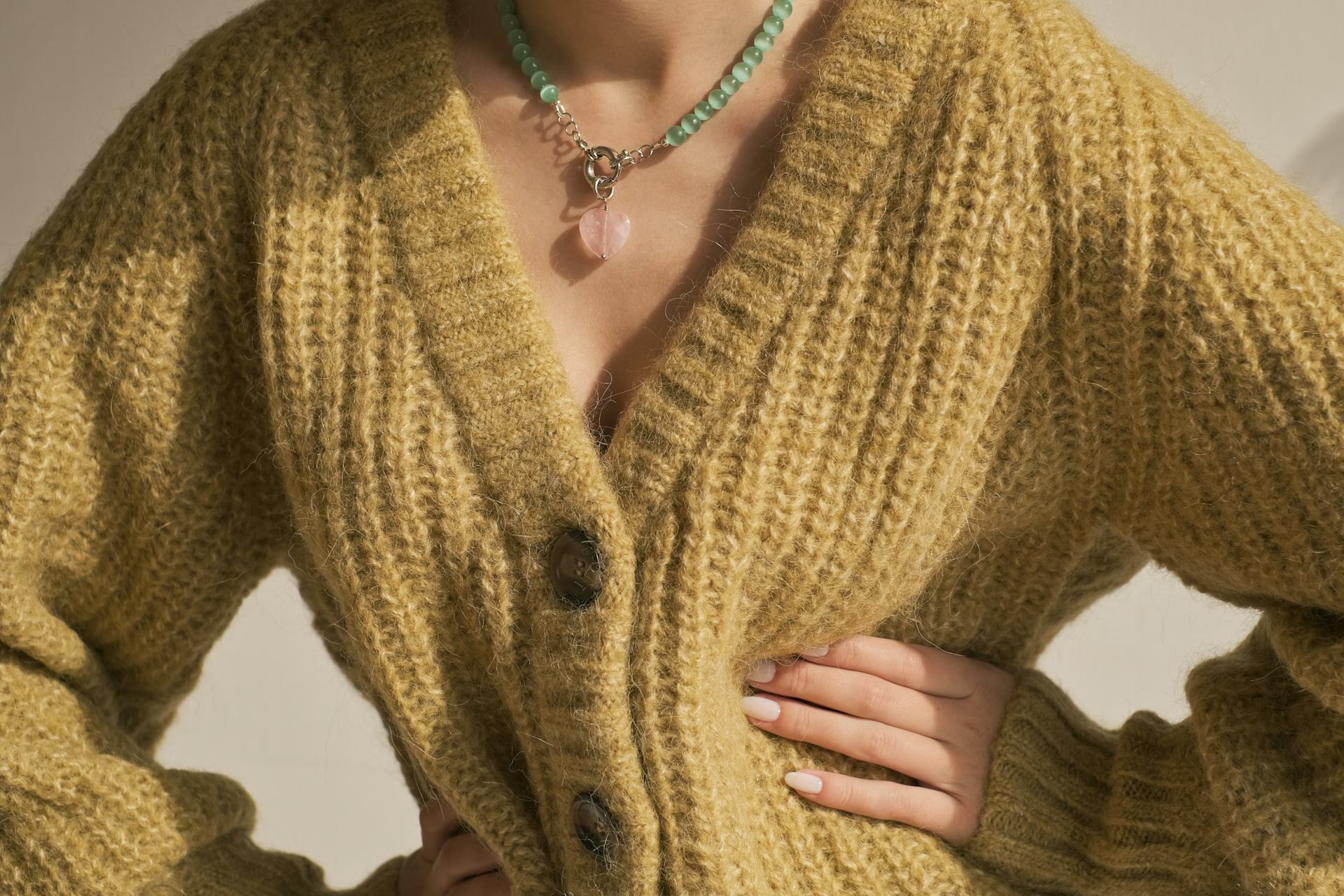
When fibers work together, we get clothing that not only looks good but feels right. It’s about finding that balance where comfort, function, and responsibility go hand in hand. A sweater that keeps its shape and warmth while feeling light and natural is a small piece of everyday innovation—crafted from both nature and technology.
Læs også: