Plan your kids’ clothing by the changing seasons – and avoid stress shopping

Plan your kids’ clothing by the changing seasons – and avoid stress shopping
When kids grow and the weather shifts, their closets can quickly turn into a source of stress. Suddenly, last year’s jacket is too small, the rain boots leak, or the sneakers are worn out. Many parents end up panic-buying at the last minute—often spending more and thinking less. But with a little planning, you can save money, time, and frustration. Here’s how to plan your children’s clothing around the seasons and avoid stress shopping.
Know the rhythm of the seasons
Across the U.S., the weather can vary widely, but the seasons still follow a pattern you can plan around. By thinking a few months ahead, you can prepare for the next season before stores run out of popular sizes.
- Spring (March–May): Lightweight jackets, rain boots, and layers are key. Temperatures can swing from chilly mornings to warm afternoons, so flexibility matters.
- Summer (June–August): Breathable cotton clothing, sun hats, sandals, and swimwear. Don’t forget sun protection and quick-drying fabrics for outdoor play.
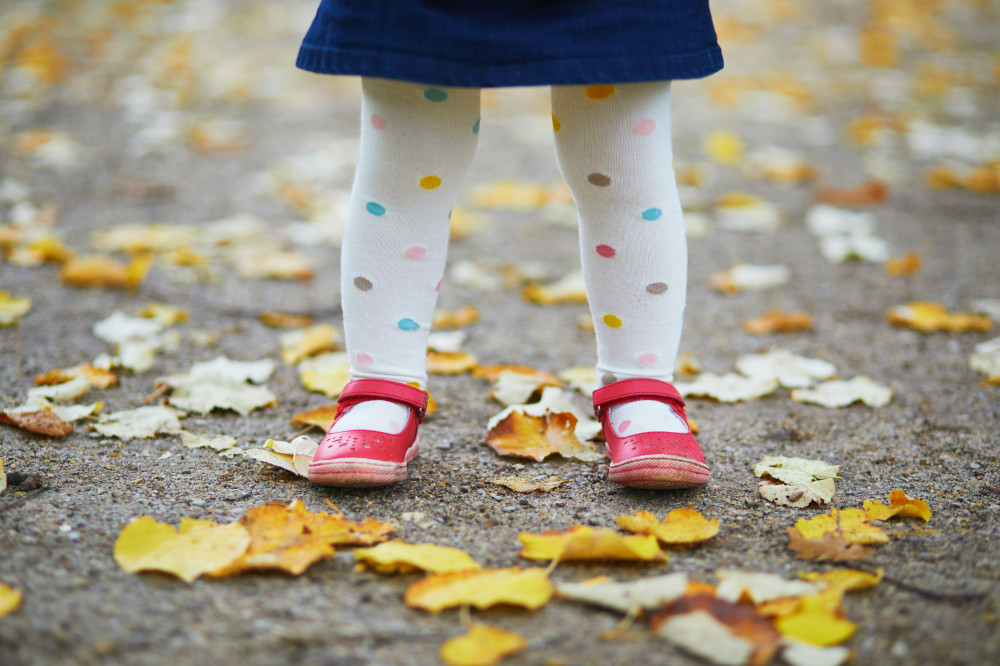
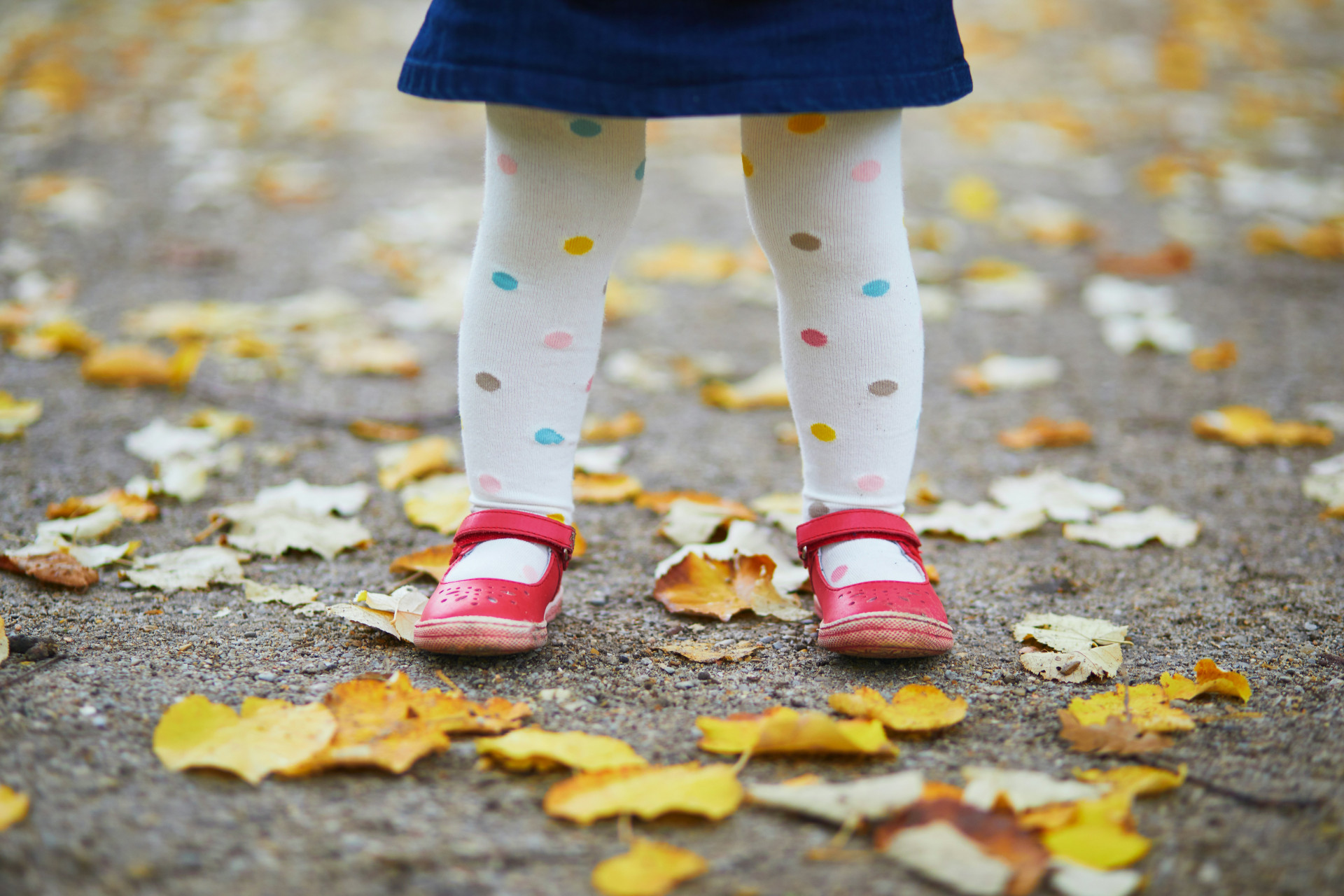
- Fall (September–November): Rain gear, light sweaters, and sturdy shoes for damp weather. This is often when kids outgrow last year’s outerwear.
- Winter (December–February): Warm coats, snow boots, hats, and gloves. Shop early—sizes and styles sell out fast once the cold sets in.
Setting a routine for checking your child’s wardrobe each season helps you shop calmly and intentionally instead of scrambling at the last minute.
Take inventory – and avoid duplicate buys
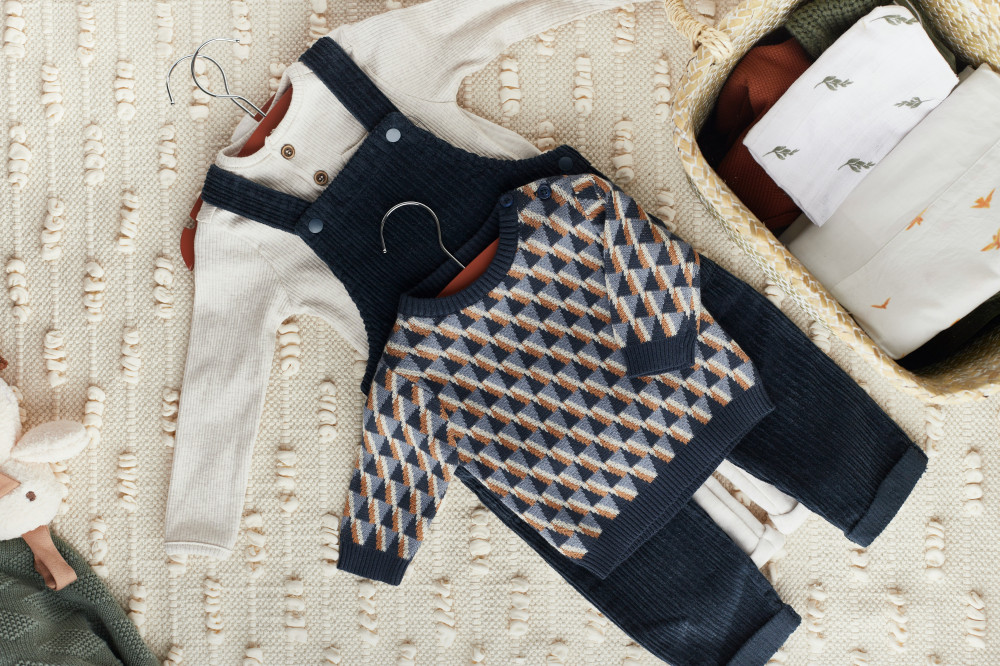
Start by reviewing what your child already has. Lay everything out and check what still fits and what needs replacing. You might be surprised how much can be reused from last year.
Make a simple checklist with categories like “outerwear,” “footwear,” “everyday clothes,” and “accessories.” Note what’s missing and what to watch for on sale. This helps you shop with purpose—and avoid buying three pairs of jeans when what you really need is a raincoat.
Læs også:


Buy with growth and quality in mind
Kids grow fast, but that doesn’t mean you should buy everything oversized. Clothes that are too big often go unworn. Instead, look for adjustable features—like elastic waistbands or cuffs that can be rolled up.
Quality pays off, especially for outerwear and shoes. A durable winter coat or pair of boots can often be passed down to siblings or resold. Look for reinforced seams, waterproof materials, and breathable fabrics—they make a big difference in comfort and longevity.
Think in layers and flexibility
Layering is the easiest way to keep kids comfortable through changing temperatures. It allows you to adapt their outfits for both indoor and outdoor play.
- Base layer: Moisture-wicking or thermal underwear to keep skin dry.
- Middle layer: Fleece or light wool for insulation.
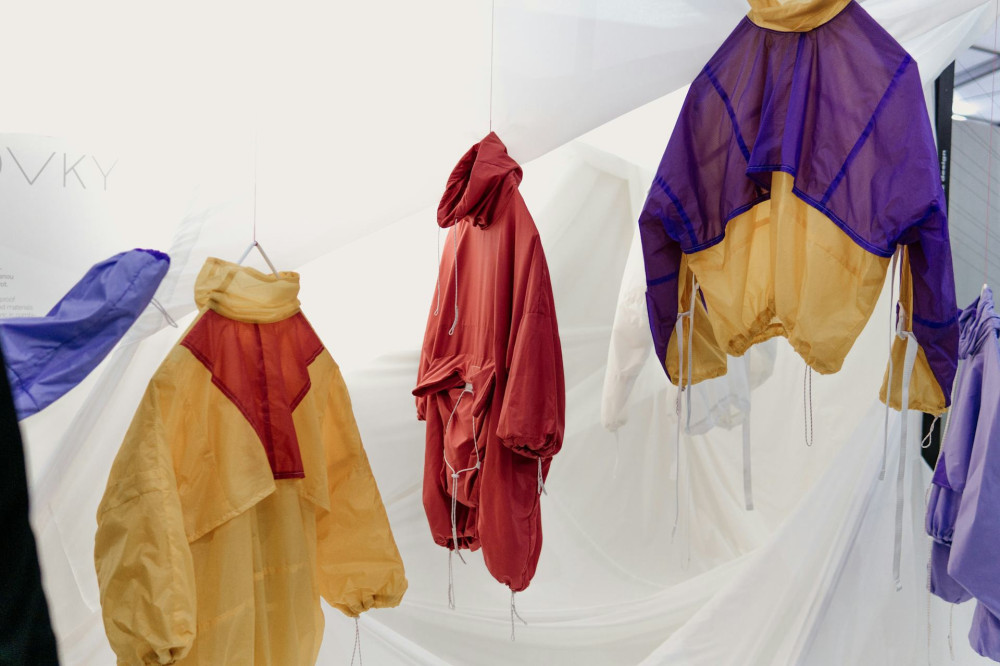
- Outer layer: Wind- and waterproof jackets or coats for protection.
By mixing and matching layers, you can stretch each piece across multiple seasons and activities.
Plan purchases around sales and season changes
The best deals often come at the end of a season. When winter ends, you can find snow gear and boots on clearance—and the same goes for summer clothes in late August. It takes a bit of foresight, but it can save you a lot of money.
Just be realistic about sizing. Kids grow at different rates, so try not to buy too far ahead. A good rule of thumb is to plan one size up for the next season if your child is in a growth spurt.
Make it a family project
Involve your child in the process, especially if they’re old enough to have opinions about colors or styles. When kids help choose their clothes, they’re more likely to wear them—and it turns shopping into a fun activity instead of a chore.
Let them try on clothes at home in a relaxed setting, and return what doesn’t fit. It’s far less stressful than standing in a crowded fitting room on a busy weekend.
Create calm in the closet – and in your routine
When you plan your kids’ clothing by the seasons, you’re not just organizing their wardrobe—you’re creating more peace in your daily life. You’ll avoid last-minute shopping trips, save money, and ensure your kids are comfortable and ready for any weather.
A well-planned wardrobe isn’t about having the most clothes—it’s about having the right ones, at the right time.
Læs også: