Unisex Fashion: When Clothing Challenges Traditional Boundaries

Unisex Fashion: When Clothing Challenges Traditional Boundaries
Fashion has always reflected the evolution of society—and in recent years, that reflection has changed dramatically. Designers, brands, and consumers alike are questioning long-held ideas about what counts as “men’s” or “women’s” clothing. Unisex fashion, or gender-neutral fashion, is no longer a niche concept but a growing movement that asks a simple question: why should clothes be divided by gender at all?
From Practical Wear to Political Statement
Throughout history, clothing has carried deep social and cultural meaning. In the 19th century, pants were reserved for men, while women were expected to wear dresses and corsets. When women began wearing trousers in the early 20th century—first for work, later as fashion—it was seen as a bold act of rebellion. Today, the reverse is happening: men who wear skirts, jewelry, or makeup still challenge traditional ideas of masculinity.
Unisex fashion builds on this historical evolution. It’s not just about cuts and colors—it’s about the freedom to express oneself without being confined to a category. For many young people, it’s a matter of identity and inclusion, a way to reject the limitations that gendered norms can impose.
Designers Leading the Way
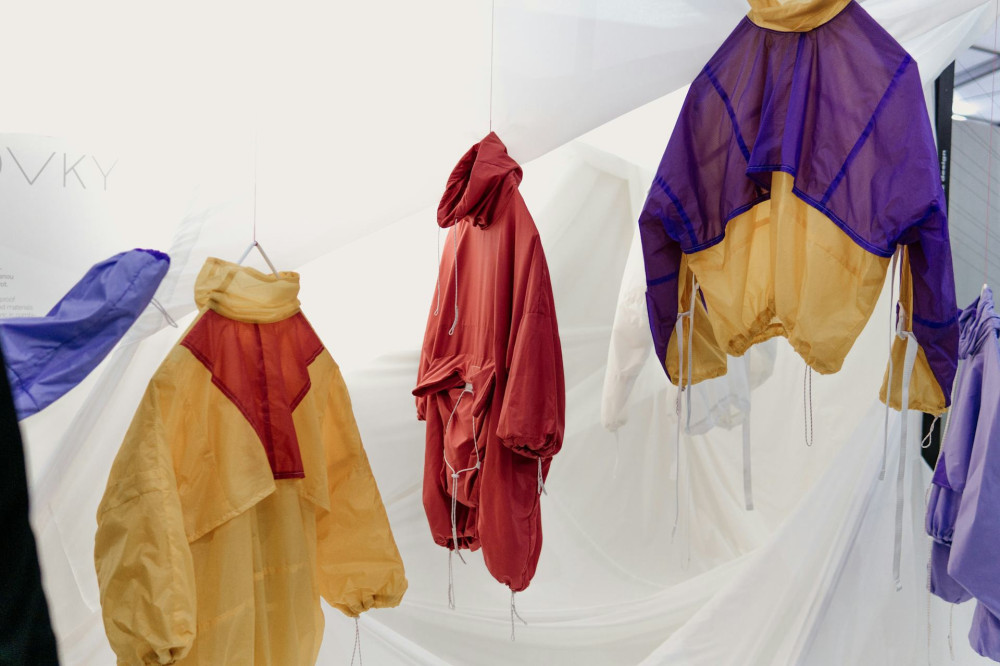
Major fashion houses have embraced the unisex trend. Brands like Gucci, Telfar, and Thom Browne have presented collections where models of all genders wear the same styles. In the U.S., independent designers and streetwear labels are also pushing boundaries, creating pieces that focus on comfort, versatility, and self-expression rather than gender.
But unisex fashion isn’t limited to high-end runways. Many small and sustainable brands see it as part of a broader shift toward inclusivity and responsibility. By designing clothes that can be worn by anyone, they reduce overproduction and waste—an important step in an industry increasingly focused on sustainability.
What “Unisex” Means in Practice
When a brand labels its clothing “unisex,” it often means the design is made to fit a variety of body types. That might include looser cuts, adjustable details, or flexible fabrics that adapt to different shapes. The color palette is often neutral—but that doesn’t mean boring. Unisex fashion celebrates individuality, allowing people to define their own style rather than follow gendered expectations.
Consumers play a key role in this shift. Many now choose clothing based on comfort, function, and aesthetics rather than gender labels. This is especially visible in streetwear and athletic wear, where the lines between “men’s” and “women’s” collections have long since blurred.
Læs også:
A New Generation of Consumers
Unisex fashion is closely tied to a broader cultural movement that views gender as a spectrum rather than a fixed category. Generation Z—the first generation to grow up fully immersed in social media and global awareness—is particularly open to this mindset. For them, fashion isn’t just about trends; it’s about expressing values like freedom, authenticity, and respect for diversity.
This shift is forcing the fashion industry to rethink everything from sizing and marketing to store layouts. Some retailers are already removing “men’s” and “women’s” sections altogether, displaying clothing together instead—a small but symbolic step toward a more inclusive shopping experience.
When Clothing Becomes a Language of Freedom
Unisex fashion is more than a passing trend. It reflects a deeper social transformation, one in which people increasingly want to define themselves on their own terms. Clothing becomes a tool for self-expression—a way to show who you are, not who you’re expected to be.
As the boundaries between masculine and feminine dissolve, new possibilities for creativity and freedom emerge in how we dress. And perhaps that’s where fashion shows its greatest power: as a language that evolves with us, expressing not just what we wear, but who we are becoming.
Læs også: