Circular Fashion: The Path to the Sustainable Wardrobe of the Future

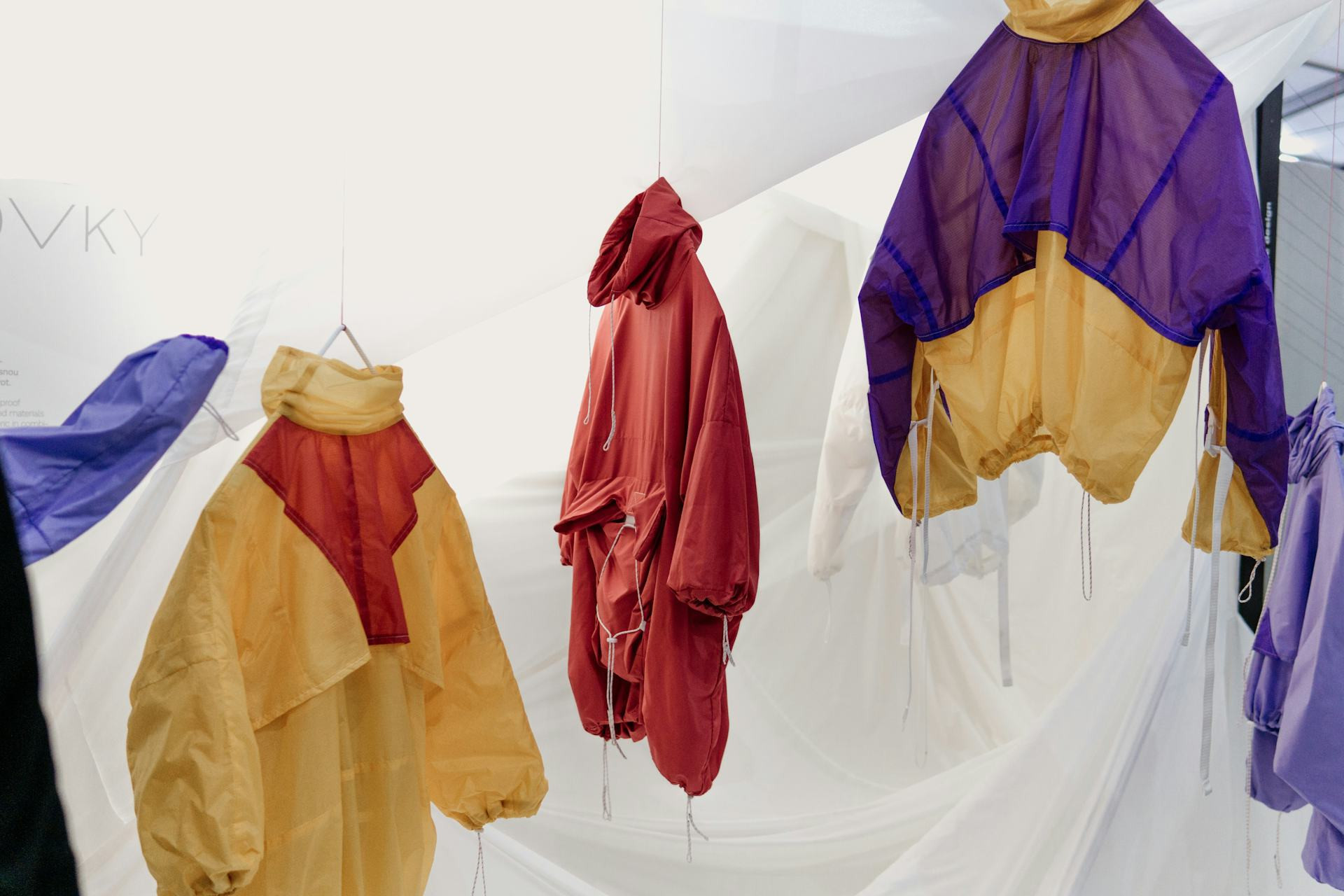
Circular Fashion: The Path to the Sustainable Wardrobe of the Future
The fashion industry is undergoing a transformation. As climate change and resource scarcity become increasingly urgent issues, interest in circular fashion is growing—a movement focused on extending the life of clothing, reusing materials, and minimizing waste. But what does circular fashion really mean in practice, and how can American consumers take part in building a more sustainable wardrobe?
What Is Circular Fashion?
Circular fashion is based on the idea that clothing should never become waste. Instead, it should circulate within a system where materials are reused, repaired, or recycled for as long as possible. Unlike the traditional linear model—“buy, wear, discard”—circular fashion aims to keep resources in use and out of landfills.
This can happen through secondhand shopping, clothing repair, upcycling, or choosing fabrics that can be recycled at the end of their life. The goal is to create a fashion system where style and sustainability go hand in hand.
From Fast Fashion to Slow Fashion
For decades, the fashion industry has been dominated by “fast fashion”—rapid production cycles, low prices, and ever-changing trends. While this model has made clothing more affordable, it has also led to massive overproduction, pollution, and waste. According to the U.S. Environmental Protection Agency, millions of tons of textiles end up in American landfills each year, much of it barely worn.
Circular fashion challenges this throwaway culture. It emphasizes quality over quantity, timeless design, and responsible production. It’s about buying less but better—and viewing clothing as something to care for, not consume.
How You Can Make a Difference
While brands and manufacturers have a major role to play, consumers are equally important in driving change. Small shifts in your habits can have a big impact:
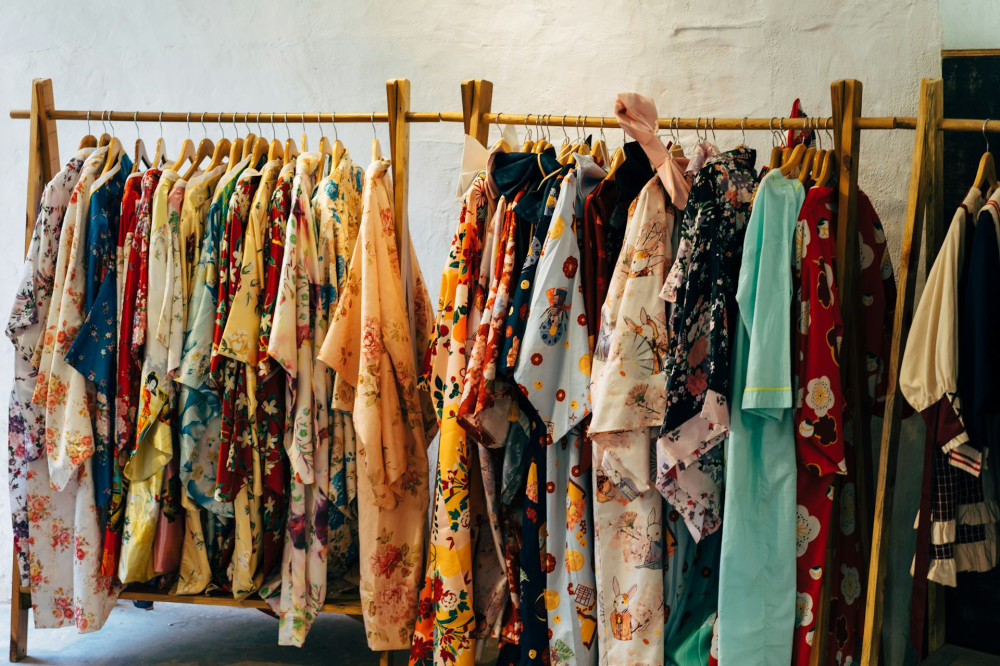
- Shop secondhand – Thrift stores, consignment shops, and online resale platforms like ThredUp or Poshmark offer stylish, affordable options with a smaller footprint.
- Repair and maintain – Learn basic sewing skills or support local tailors and cobblers to extend the life of your clothes and shoes.
- Rent instead of buy – Clothing rental services such as Rent the Runway or Nuuly make it easy to enjoy new looks without the waste.
- Choose quality and timeless design – Invest in well-made pieces that last through seasons and trends.
- Recycle responsibly – Donate wearable items and use textile recycling programs for worn-out garments to keep materials in circulation.
Læs også:
New Business Models in Fashion
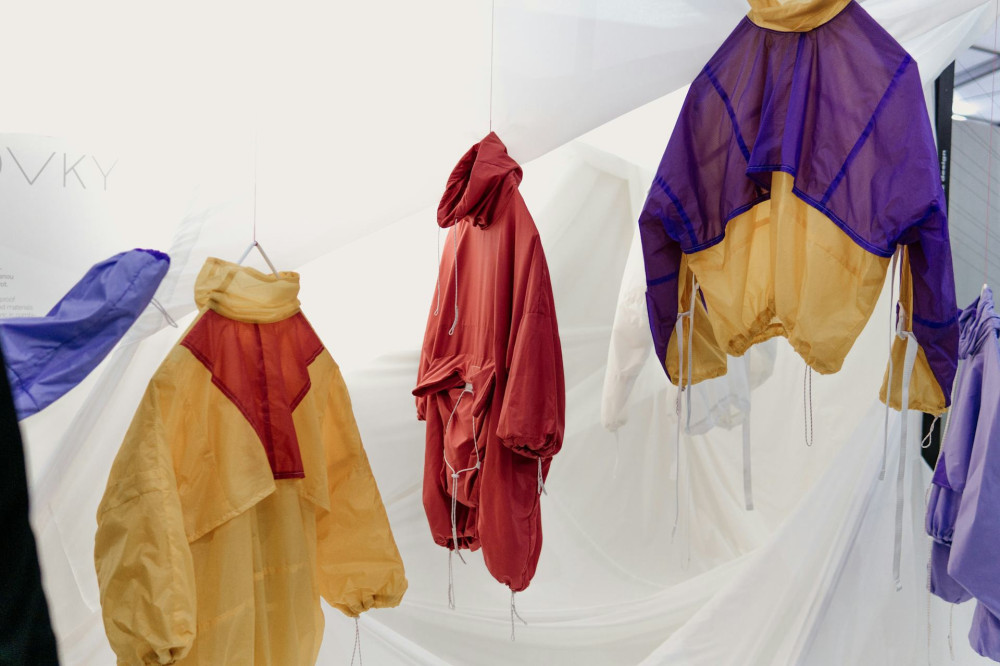
More brands are embracing circular principles from the design stage. Some are experimenting with modular garments that can be disassembled and reused, while others offer repair services or buy-back programs for used items. Sustainable materials—like organic cotton, recycled polyester, and innovative fibers made from agricultural waste or wood pulp—are becoming more common.
At the same time, new business models are emerging. Clothing subscription services, swap events, and peer-to-peer resale apps are redefining what it means to “own” fashion. These innovations show that sustainability doesn’t have to mean sacrifice—it can open up creative, community-driven ways to express personal style.
Challenges and Opportunities
Transitioning to a circular fashion system isn’t easy. It requires investment, innovation, and a shift in consumer behavior. Many textiles are still difficult to recycle, and the U.S. lacks the large-scale infrastructure needed to process used clothing efficiently.
Yet the potential is enormous. A more circular fashion industry could significantly reduce carbon emissions, cut down on waste, and create new green jobs. It could also inspire other sectors—from electronics to furniture—to rethink how products are designed, used, and reused.
A Wardrobe with Purpose
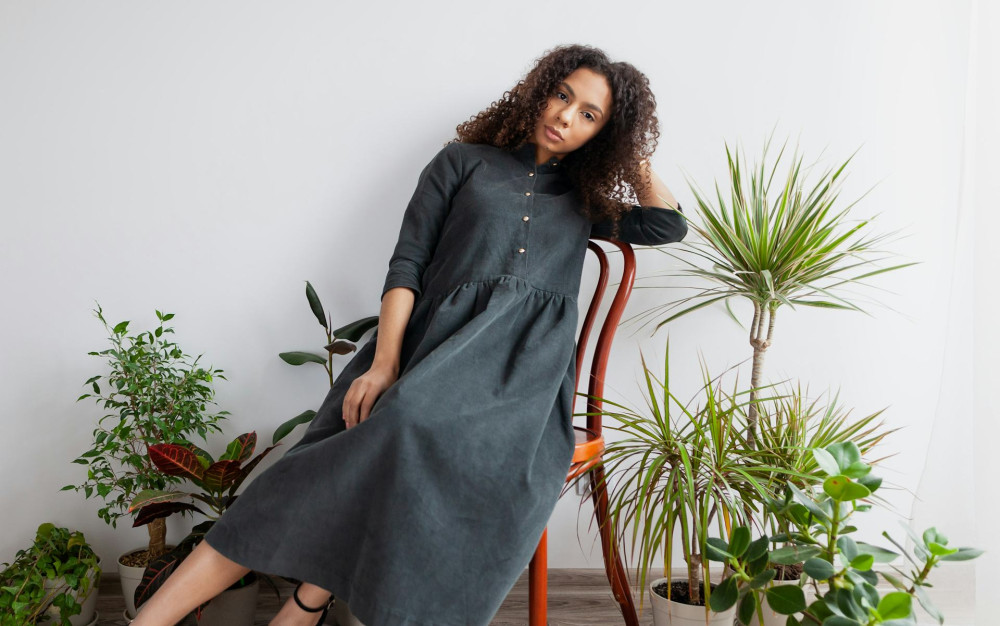
Ultimately, circular fashion is about changing how we value clothing—from something disposable to something meaningful. When we buy thoughtfully, care for what we own, and support responsible brands, we help shape the future of fashion.
The sustainable wardrobe of tomorrow doesn’t start in the store—it starts with awareness. And that awareness may be the most fashionable change of all.
Læs også: