Extend Your Clothes’ Lifespan with Proper Washing, Drying, and Storage


Extend Your Clothes’ Lifespan with Proper Washing, Drying, and Storage
Clothing is an investment—financially, emotionally, and environmentally. Taking good care of what you already own can significantly extend its lifespan and reduce the need to buy new pieces. Many garments wear out prematurely because they’re washed too often, dried too harshly, or stored incorrectly. With a few simple changes to your laundry and storage habits, you can keep your clothes looking great for years to come.
Wash Less—and Wash Smart
Every wash cycle puts stress on fabric fibers. Often, clothes don’t need a full wash; they just need a refresh.
- Air out instead of washing. Hang clothes outside or near an open window to remove odors and freshen them up.
- Spot clean when possible. Use a damp cloth and mild detergent to treat small stains instead of washing the entire garment.
- Sort by fabric and color. Wash cotton, wool, and synthetics separately, and keep darks and lights apart to prevent color bleeding.
- Use cold water. Most modern detergents clean effectively in cold water, which helps preserve colors and saves energy.
- Turn clothes inside out. This protects prints and dyes from fading.
Also, load your washing machine properly—not too full and not too empty. Overloading can strain seams and fibers, while underloading wastes water and energy.
Drying: Protect the Fabric and Shape
The dryer is convenient, but it’s also one of the biggest culprits behind worn-out clothes. High heat and tumbling can cause shrinkage, fading, and loss of shape.
- Air dry whenever possible. Hang clothes on a rack or hanger and let them dry naturally.
- Reshape while damp. Gently pull seams and edges back into place to maintain the garment’s original fit.
- Avoid direct sunlight. Prolonged sun exposure can fade colors and weaken fibers.
- Use the dryer sparingly. If you must use it, choose a low-heat or delicate setting and remove clothes while they’re still slightly damp.
Wool, silk, and rayon should never go in the dryer. Lay them flat on a towel to dry so they keep their shape.
Storage: Create the Right Conditions
Even when you’re not wearing your clothes, how you store them matters. Moisture, sunlight, and cramped spaces can all shorten a garment’s life.
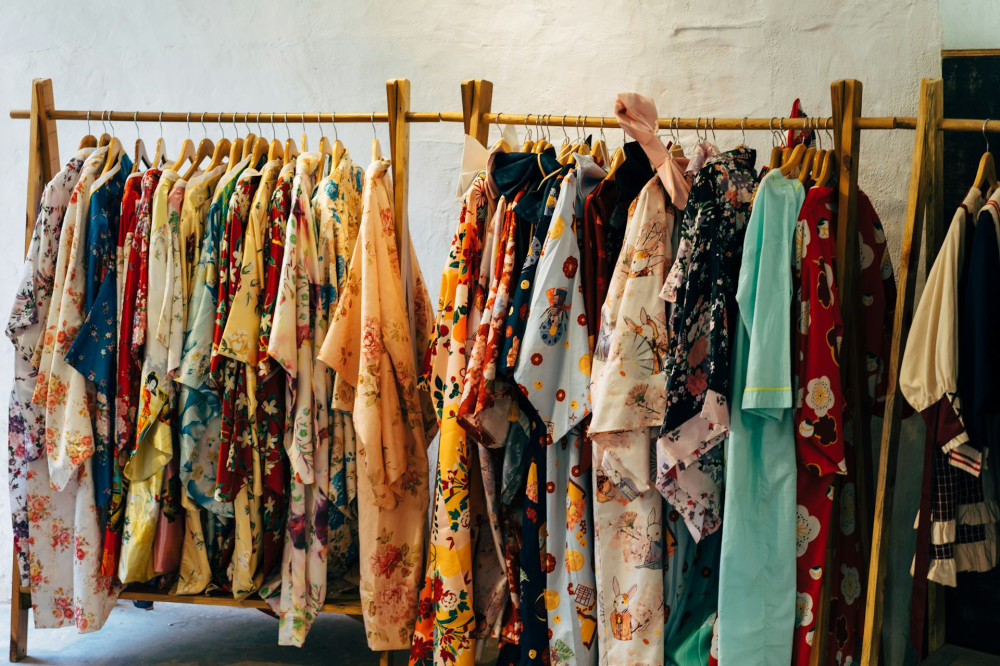
- Use the right hangers. Shirts and jackets should hang on wide, supportive hangers, while knits and heavy sweaters should be folded to prevent stretching.
- Keep your closet clean and dry. Moisture can lead to mildew and odors. Cedar blocks or lavender sachets can help deter moths naturally.
- Don’t overcrowd your closet. Clothes need space to breathe and maintain their shape.
- Store seasonal items properly. Wash them before packing away, and use airtight bins or garment bags to protect them from dust and pests.
A good habit is to rotate your wardrobe a few times a year. It helps you rediscover forgotten pieces and ensures everything gets worn evenly.
Læs også:



Small Repairs Make a Big Difference
A missing button or small tear doesn’t mean it’s time to toss a garment. Learn a few basic sewing skills or find a local tailor who can handle simple repairs. It’s often cheaper—and more sustainable—than replacing the item.
You can also extend your clothes’ life with gentle maintenance tools like fabric brushes, lint rollers, and steamers. They refresh garments without the wear and tear of frequent washing.
A More Sustainable Wardrobe
Caring for your clothes isn’t just about keeping them looking good—it’s about making a conscious choice for the planet. The fashion industry consumes vast amounts of water and energy, and the longer we use our clothes, the smaller our environmental footprint becomes.
By washing gently, drying naturally, and storing thoughtfully, you can add years to your clothes’ lifespan. It’s a simple shift that saves money, reduces waste, and helps build a more sustainable future—one outfit at a time.
Læs også: