Durability in Jewelry: How to Assess a Piece’s Shape and Color Over Time

Durability in Jewelry: How to Assess a Piece’s Shape and Color Over Time
A piece of jewelry is often more than just an accessory—it can be a keepsake, an investment, or a symbol of something deeply personal. Naturally, you want it to stay beautiful for as long as possible. But all materials change over time, and how a piece ages depends on its quality, how it’s worn, and how it’s cared for. In this article, we’ll explore how to evaluate a piece of jewelry’s durability—both in shape and color—and what you can do to preserve it for years to come.
The Role of Materials in Durability
The first step in understanding a piece’s longevity is knowing what it’s made of. Not all metals and gemstones react the same way to time, moisture, and wear.
- Gold is one of the most stable metals. It doesn’t rust or tarnish, but softer alloys like 18K or 22K can scratch more easily.
- Sterling silver is beautiful but prone to tarnish—a dark layer that forms when silver reacts with sulfur in the air. Fortunately, it can be polished away.
- White gold is often plated with rhodium to achieve its bright, silvery finish. This coating wears off over time and may need to be reapplied to maintain its shine.
- Platinum is extremely durable and rarely loses its shape, though it can develop a soft patina that many people find elegant.
- Gold-plated jewelry has a thin layer of gold over another metal. This layer gradually wears off, especially on rings and bracelets that experience frequent friction.
By understanding the materials, you can better predict how your jewelry will age—and how to care for it properly.
How Color Changes Over Time
Color changes in jewelry can result from both chemical reactions and everyday use. Even precious metals and gemstones are affected by their environment.
- Silver darkens when exposed to humidity or substances like perfume and lotion.
- Gold can lose its luster when covered by oils and dirt from the skin.
- Gemstones such as sapphires and diamonds usually retain their color but can appear dull if coated with dust or residue. Porous stones like turquoise and opal, however, may change hue if exposed to water or chemicals.
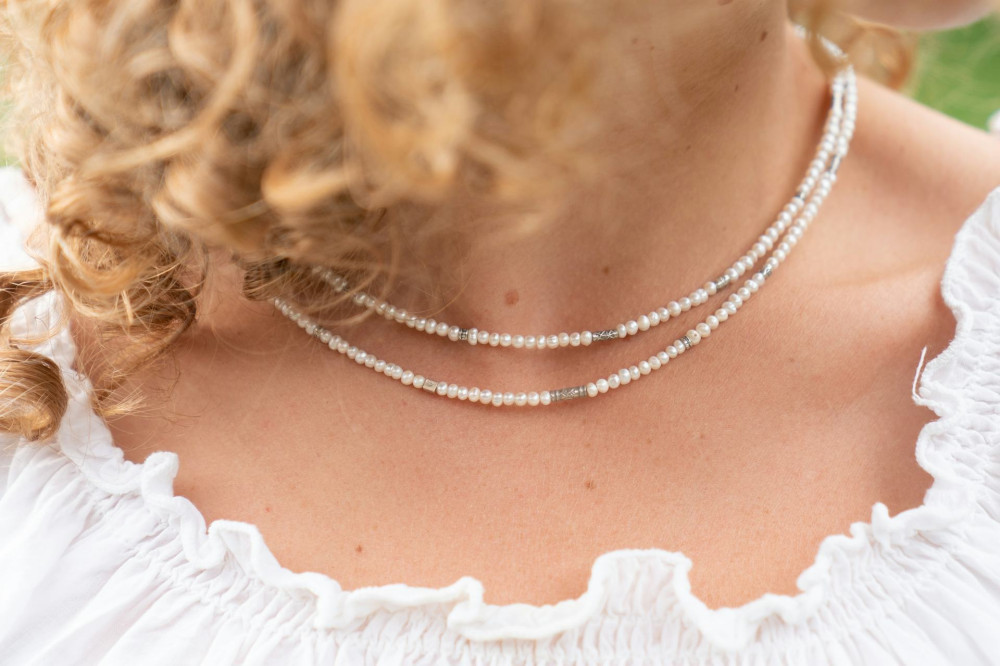
- Pearls are especially delicate. They can dry out and lose their glow if stored in overly dry conditions or become discolored by perfume and sweat.
A good rule of thumb is to remove jewelry before washing your hands, cleaning, or applying cosmetics. This simple habit helps preserve both color and surface quality.
Shape and Wear – When Jewelry Changes Physically
Even the sturdiest jewelry is affected by daily wear. Over time, rings can become slightly oval, chains may stretch, and clasps can loosen. This is natural, but the extent depends on design and craftsmanship.
- Solid pieces generally hold their shape better than hollow or very delicate designs.
- Soldered joints and connections are common weak points where metal fatigue can occur.
- Moving parts, such as hinges and clasps, should be checked regularly—especially on bracelets and necklaces that are worn often.
Jewelry that’s worn daily should be inspected by a jeweler every year or two. A professional can spot early signs of wear before they lead to broken links or lost stones.
How to Evaluate a Jewelry Piece’s Quality
When buying jewelry, you can assess several factors that influence durability:
- Weight and feel – A heavier piece made of solid precious metal is often sturdier and less likely to deform.
- Stone settings – Check that stones are secure and that prongs or bezels don’t have sharp edges.
- Surface treatment – Ask whether the piece is rhodium-plated, gold-plated, or otherwise treated, and how long the finish is expected to last.
- Hallmarks and certifications – Genuine precious metals should be stamped with purity marks (e.g., 925 for sterling silver, 585 for 14K gold).
A hallmark isn’t just proof of authenticity—it’s also an indicator that the piece meets quality standards designed to ensure longer-lasting beauty.
Care and Storage – The Key to Longevity
Even the finest jewelry needs care. Simple habits can make a big difference:
- Store jewelry in a dry, dark place, ideally in a soft pouch or lined box to prevent scratches.
- Clean pieces regularly with a soft cloth or mild soap solution—but avoid ultrasonic cleaners for porous stones and pearls.
- Remove jewelry before exercising, swimming, or sleeping.
- Keep it away from perfume, hairspray, and cleaning products.
By following these steps, you can preserve both the shape and color of your jewelry for many years—and perhaps even pass it down to the next generation.
Læs også:
Jewelry That Ages Gracefully
Some pieces actually become more beautiful with time. A gentle patina on silver or platinum can add character, and small scratches can tell the story of a life well lived. The key is knowing the difference between natural aging and damage, so you can protect what makes your jewelry unique.
Durability isn’t just about preventing change—it’s about understanding and appreciating it. With proper care, your jewelry can retain its beauty and meaning for decades to come.
Læs også: