Danish Design Philosophy: Durability as a Cornerstone of Children’s Clothing

Danish Design Philosophy: Durability as a Cornerstone of Children’s Clothing
When people think of Danish design, they often picture clean lines, functionality, and timeless aesthetics. But in recent years, another value has become central to the Danish approach—durability. Especially in children’s clothing, Danish designers have made it their mission to create garments that last: in quality, in style, and in purpose. It’s not just about strong stitching; it’s about a design philosophy rooted in responsibility, material awareness, and longevity.
From Fast Fashion to Conscious Consumption
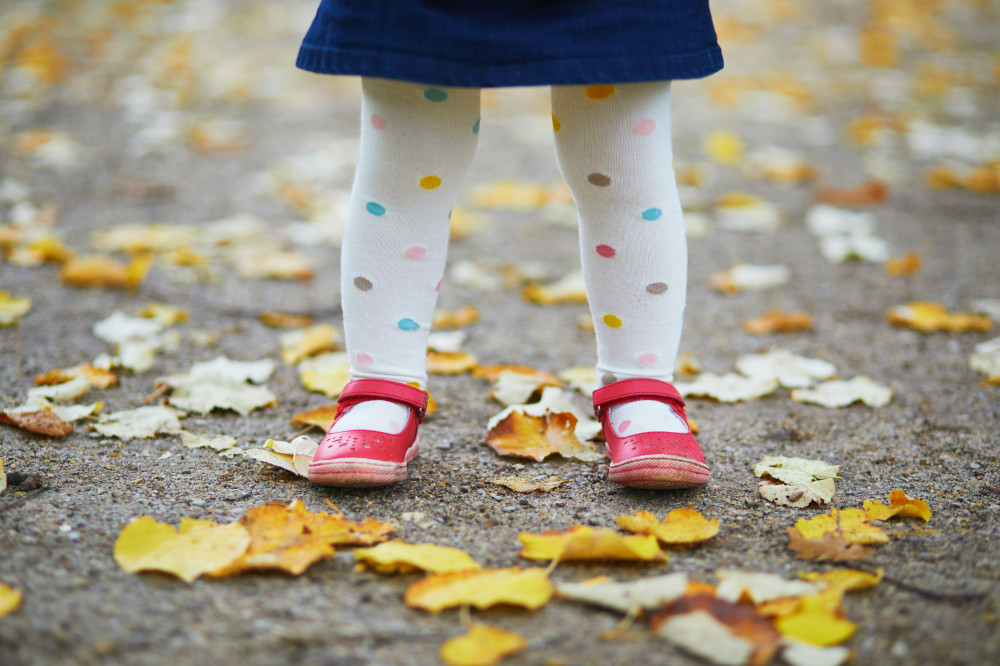
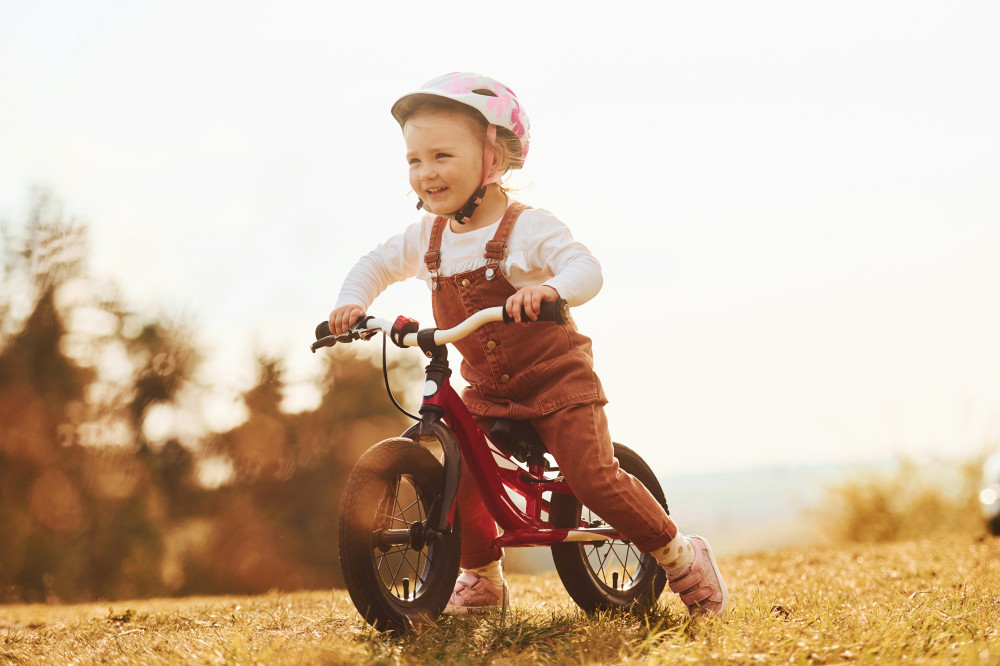
Children’s clothes face a lot of wear and tear—mud, play, washing, and growth spurts. In the past, it was common for clothes to wear out quickly or be replaced often. Today, many parents are rethinking that pattern. They want clothing that can be passed down, repaired, and reused—and Danish brands have embraced that shift.
Many Danish children’s wear companies follow slow fashion principles, prioritizing quality and lifespan over fleeting trends. This means fewer collections, more thoughtful designs, and materials that can withstand everyday life. It’s a move away from overconsumption and toward a more sustainable, mindful way of living—an idea that resonates with families around the world, including in the U.S., where interest in sustainable fashion is growing rapidly.
Materials That Matter
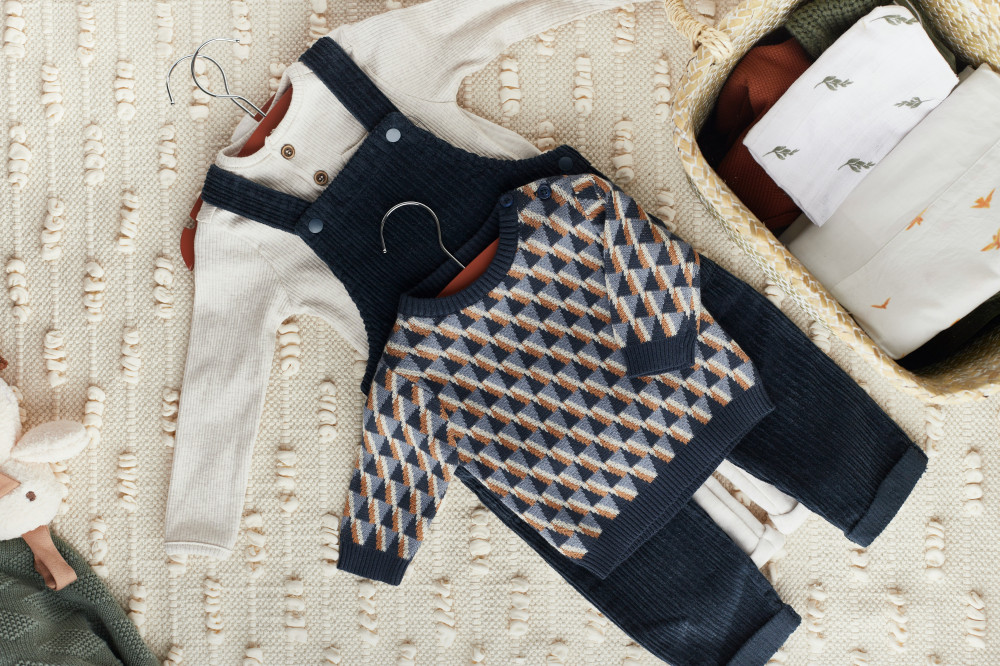
Durability starts with the fabric. Danish designers often choose natural and resilient fibers such as organic cotton, wool, and recycled polyester. These materials combine comfort with strength and can endure countless washes without losing shape or color.
There’s also a strong focus on certifications like GOTS (Global Organic Textile Standard) and OEKO-TEX, which ensure that production meets strict environmental and social criteria. For many parents, it’s no longer enough for clothes to look good—they must also be made responsibly, with respect for both people and the planet.
Læs også:
Design That Grows With the Child
Functionality is another hallmark of Danish design. Many brands create adjustable fits, with extendable sleeves and pant legs that allow garments to grow with the child. It’s a practical solution that saves both money and resources.
Designers also favor timeless colors and silhouettes, ensuring that pieces remain stylish across seasons. This makes it easier to mix and match collections and to pass clothes down to siblings or friends—an idea that fits perfectly with the Danish value of practicality and community.
Repair, Reuse, and Circular Thinking
Several Danish brands now offer repair services or provide spare parts like buttons and zippers, encouraging families to mend rather than discard. Some even run exchange and resale programs, where used clothing can be returned, resold, or recycled into new products.
This circular mindset is a natural extension of the Danish design tradition: creating things that endure—not only physically, but in value and relevance. It’s a philosophy that challenges the disposable culture of modern fashion and offers a model for more sustainable consumption.
A Reflection of Everyday Danish Culture
Ultimately, durability in children’s clothing is about more than fabric and seams. It reflects a cultural approach to everyday life—one that values quality, thoughtfulness, and simplicity. In Denmark, practicality and beauty are not opposites; they coexist in harmony, shaping everything from furniture to fashion.
When a pair of pants can withstand rain, play, and hand-me-downs, it’s more than just good design—it’s an expression of a life philosophy. It’s about taking responsibility for what we use and for the world our children will inherit. And that’s a message that resonates far beyond Denmark’s borders.
Læs også: