The Transitional Jacket You’re Always Missing – Here’s How to Find the Right One


The Transitional Jacket You’re Always Missing – Here’s How to Find the Right One
Spring and fall are those in-between seasons when the weather can’t seem to make up its mind. One day it’s sunny and warm, the next it’s windy and cool. That’s when you realize you’re missing one key piece in your wardrobe: the transitional jacket. It’s the layer that bridges the gap between your heavy winter coat and your lightweight summer jacket. But what exactly makes a great transitional jacket, and how do you find one that fits your lifestyle, climate, and personal style? Here’s your guide to choosing the right one.
What Is a Transitional Jacket?
A transitional jacket is designed for unpredictable weather. It should keep you warm on chilly mornings but still feel comfortable when the afternoon sun comes out. Typically, it’s made from materials that offer protection from wind and light rain without the bulk or insulation of a winter coat.
This category includes everything from classic trench coats and denim jackets to lightweight puffers, utility jackets, and sporty softshells. The key is versatility — a jacket that works across changing temperatures and occasions.
Know Your Needs — and Your Climate
Before you start shopping, think about how and where you’ll wear your jacket. The right choice depends on your daily routine and the kind of weather you face most often.
- For city life: A trench coat, bomber, or wool-blend blazer offers a polished look that transitions easily from office to weekend.
- For an active lifestyle: A softshell or lightweight rain jacket is ideal if you walk, bike, or spend a lot of time outdoors.
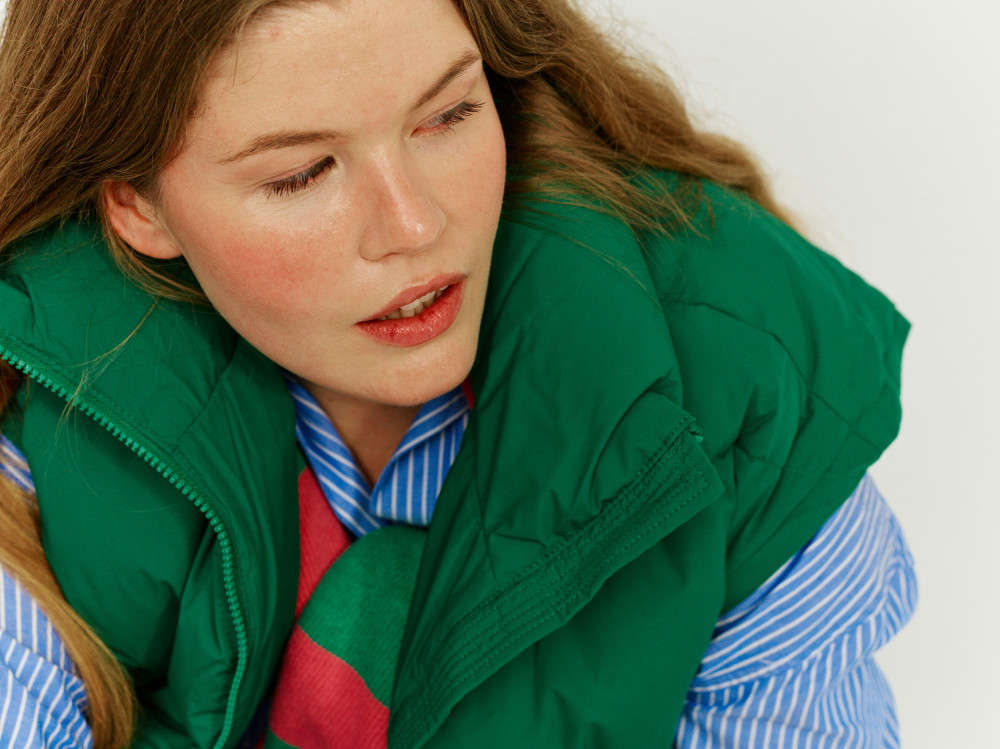
- For cooler regions: A thin down or quilted jacket provides extra warmth without feeling heavy.
If you live somewhere with mild winters, your transitional jacket might even double as your main outerwear for much of the year. In areas with more dramatic temperature swings, layering becomes key.
Materials That Make the Difference
The fabric determines how your jacket performs and feels. Here are some of the most popular options:
- Cotton or cotton blends – breathable and durable, often used in trench coats and field jackets.
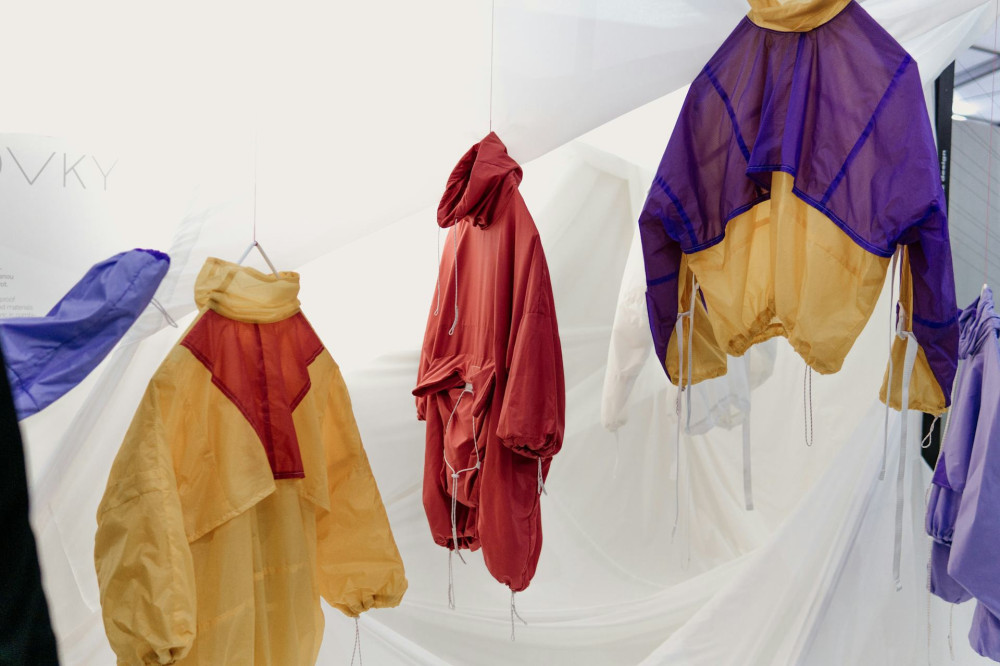
- Softshell – flexible, wind-resistant, and breathable, perfect for active wear.
- Light down or synthetic fill – adds warmth without bulk.
- Wool – naturally insulating and stylish, though not ideal for wet conditions.
If you live somewhere prone to rain, look for a water-repellent finish (often labeled DWR). It’ll help keep you dry without sacrificing breathability.
Fit and Layering
A good transitional jacket should leave room for layering — think a sweater or light fleece underneath. When trying one on, wear the kind of clothes you’d typically have on during the season. A jacket that fits perfectly over a T-shirt might feel too snug once you add a thicker layer.
Aim for a fit that allows movement but still looks tailored. Adjustable cuffs, drawstrings, or waist ties can help fine-tune the shape.
Color and Style — Think Long-Term
A transitional jacket is an investment piece you’ll reach for year after year. Neutral tones like navy, beige, olive, or black are timeless and easy to pair with the rest of your wardrobe. They also transition seamlessly between casual and dressier looks.
If you want something with more personality, consider subtle patterns, textured fabrics, or contrast details that still feel classic. The best jacket is one you’ll actually enjoy wearing — that’s what makes it a staple.
Læs også:



Practical Details That Make a Difference
Small design features can make your jacket far more functional day to day. Look for:
- A hood – detachable or built-in, depending on your needs.
- Pockets – for your phone, keys, or just to keep your hands warm.
- Quality zippers and buttons – sturdy closures that keep out the wind.
- Adjustable hems or waist ties – for a customizable fit.
These details might seem minor, but they can make your jacket more comfortable and convenient for everyday wear.
How to Care for Your Transitional Jacket
To make your jacket last, follow the care instructions carefully. Wash it only when necessary, and use a gentle detergent suited to the fabric. If it’s water-repellent, reapply a protective spray after washing. Always air-dry it and store it in a cool, dry place when the season ends.
Proper care not only extends the life of your jacket but also keeps it looking sharp year after year.
The Right Jacket Is Out There — You Just Need to Know What to Look For
A transitional jacket might not be the flashiest item in your closet, but it’s one of the most useful. Once you find the right one, it becomes your go-to piece for those unpredictable months when the weather can’t decide. With the right balance of function, comfort, and style, you’ll be ready to take on spring breezes and fall chills — effortlessly and in style.
Læs også: