Swollen Feet? How to Adjust Your Shoe Size Throughout the Day


Swollen Feet? How to Adjust Your Shoe Size Throughout the Day
Have you ever noticed that the shoes that fit perfectly in the morning start to feel tight by evening? You’re not alone. Our feet naturally swell throughout the day—especially if we spend a lot of time standing, walking, or sitting still. This can lead to discomfort, pressure, and even blisters. The good news is that there are simple ways to adjust your shoe fit and stay comfortable as your feet change during the day.
Why Do Feet Swell?
When you’re on your feet, gravity causes fluid to collect in your lower legs and feet. This is completely normal, but the amount of swelling can vary depending on several factors:
- Temperature: Warm weather causes blood vessels to expand, which can increase fluid buildup.
- Activity level: Standing or walking for long periods can make swelling worse.
- Diet and hydration: Too much salt or not enough water can lead to fluid retention.
- Shoe fit: Tight shoes restrict circulation and can make swelling more noticeable.
For most people, this swelling is temporary and goes down after resting or elevating the feet. But it also means that your ideal shoe size can change throughout the day.
Choosing Shoes That Adapt
When shopping for shoes, timing matters. Feet are usually at their smallest in the morning and at their largest in the late afternoon or evening. That’s why experts recommend trying on shoes later in the day, when your feet have reached their natural size.
Look for shoes made with flexible materials and adjustable features:
- Soft or stretchable uppers made from leather, suede, or knit fabrics that mold to your feet.
- Laces, straps, or Velcro closures that can be loosened as your feet swell.
- Removable insoles that can create extra space if needed.
- Rounded toe boxes that give your toes room to move and reduce pressure.
A good rule of thumb is to leave about half an inch (roughly the width of your thumb) between your longest toe and the end of the shoe. That extra space allows your feet to expand comfortably.
Adjusting Throughout the Day
Even with the right shoes, your feet can change size as the hours go by. Here are a few easy ways to stay comfortable:
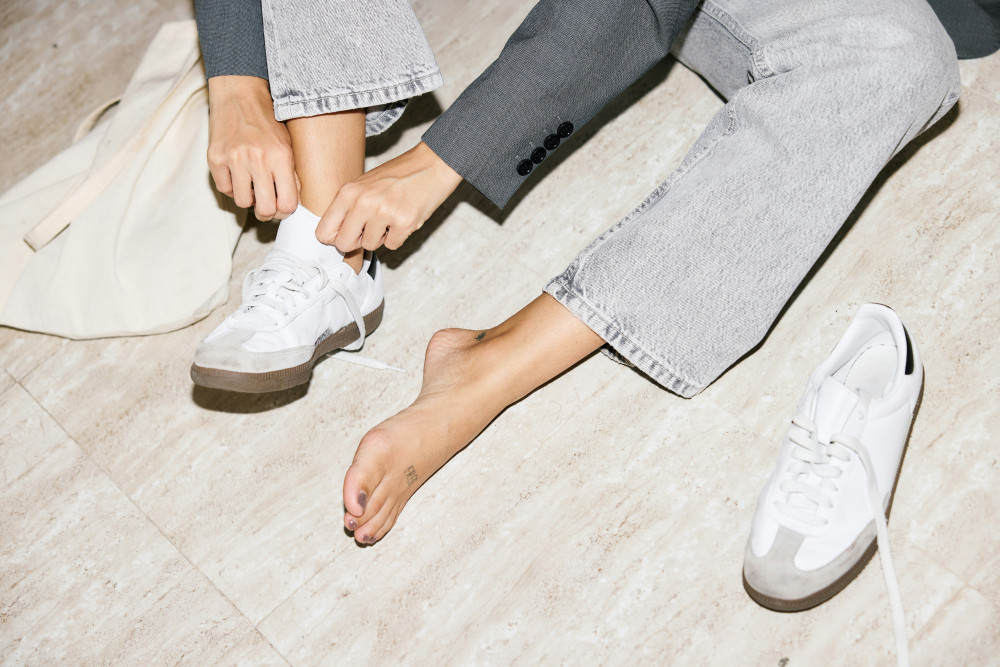
- Loosen your laces or straps if your shoes start to feel snug.
- Switch to thinner socks in the afternoon if you feel pressure.
- Use insoles with removable layers so you can adjust the fit as needed.
- Take short breaks to remove your shoes and stretch your toes—it helps circulation.
If you sit for long periods, try flexing your feet up and down or rolling them over a small ball to keep blood flowing.
When Swelling Becomes a Concern
Mild swelling is normal, but if your feet often feel heavy, sore, or noticeably swollen, it could be a sign of something more. Heat, pregnancy, excess weight, or certain medical conditions can make swelling worse.
If you experience persistent or painful swelling, talk to your healthcare provider. In some cases, compression socks, dietary changes, or more physical activity can help. The key is to address the cause—not just buy bigger shoes.
Give Your Feet a Break
Your feet carry you all day long, so they deserve some care. When you get home, try:
- Elevating your feet for 10–15 minutes.
- Gently massaging them with a moisturizing lotion.
- Alternating between warm and cool water to boost circulation.
These small habits can reduce swelling and make your feet feel refreshed for the next day.
Læs også:

The Right Fit, All Day Long
Adjusting your shoe fit isn’t just about comfort—it’s about foot health. By choosing flexible materials, trying on shoes at the right time, and giving your feet regular breaks, you can prevent many of the problems that come with swelling.
So next time you shop for shoes, remember: the perfect fit in the morning might not be the perfect fit in the evening. Your feet change—and your shoes should be able to keep up.
Læs også: