Summer Dresses and Fabric Choices: Which Materials Feel Best in the Heat?


Summer Dresses and Fabric Choices: Which Materials Feel Best in the Heat?
When summer arrives and the temperatures climb, the fabric you choose for your dress can make all the difference between feeling sticky and staying cool. A light, breathable summer dress can turn a sweltering day into something much more comfortable. But which materials actually work best in the heat—and which ones should you skip? Here’s a guide to the most popular fabrics for summer dresses and what to look for when choosing one.
Natural Fibers – Breathable and Comfortable
Natural fibers are often the top choice for summer because they allow your skin to breathe and help wick moisture away from your body.
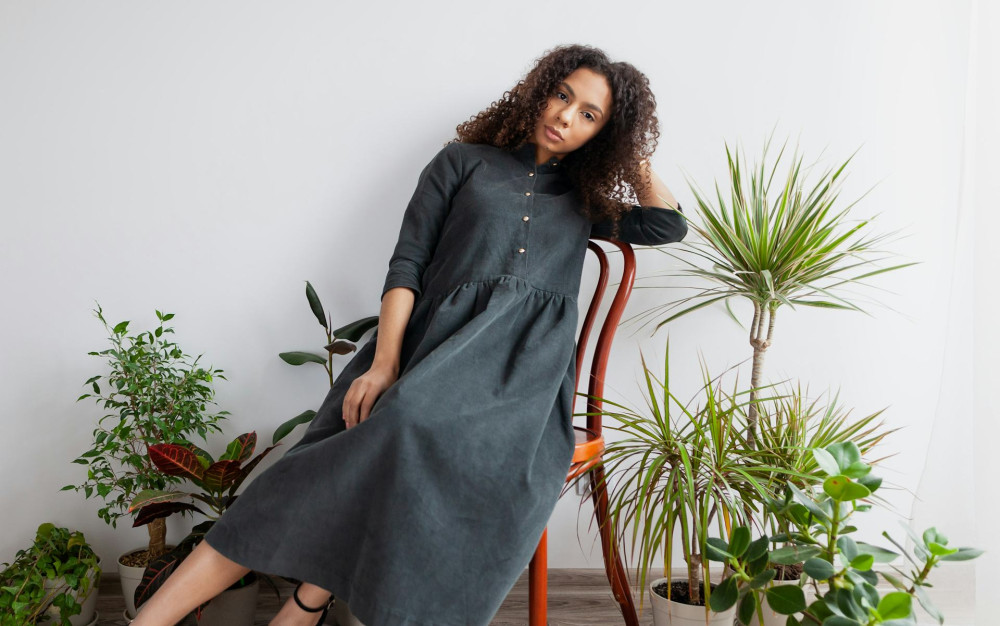
- Cotton – A timeless favorite. Cotton is soft, breathable, and easy to care for. It absorbs moisture well, though it can feel a bit heavy when damp. For the lightest feel, look for cotton poplin, voile, or muslin—perfect for airy summer dresses.
- Linen – The ultimate summer fabric. Linen is extremely breathable and dries quickly, making it ideal for hot, humid days. It wrinkles easily, but many people love that relaxed, natural look—it’s part of linen’s charm and fits perfectly with the laid-back summer vibe.
- Silk – Luxurious and lightweight. Silk feels cool against the skin and has a natural sheen that gives any dress an elegant touch. It’s best for dry, not-too-sweaty days, as it’s more delicate and requires gentle care.
Modern Alternatives – Light and Functional
While natural fibers are classics, modern materials can offer comfort with added practicality.
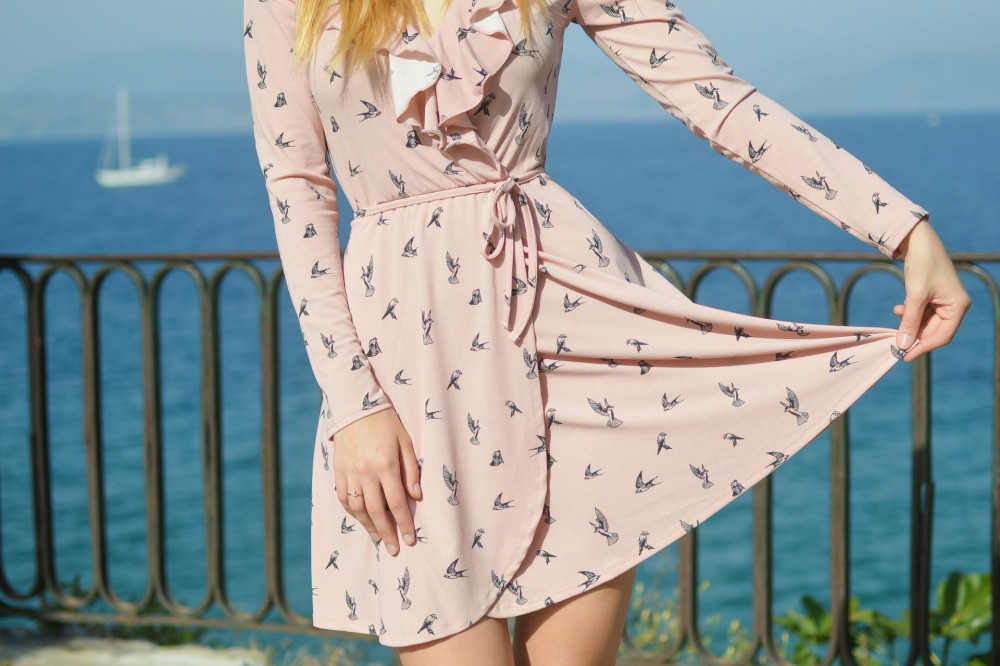
- Viscose (Rayon) – A semi-natural fiber made from cellulose. It feels soft like cotton and drapes beautifully. It’s breathable but can lose shape when wet, so handle it gently when washing.
- Tencel (Lyocell) – A sustainable favorite that’s gaining popularity. Made from wood pulp, Tencel has a smooth, cool texture and excellent moisture absorption. It wrinkles less than cotton or linen and feels silky against the skin.
- Light Polyester Blends – Some newer polyester fabrics are engineered to wick sweat and dry quickly. They’re great for travel or active days, though they don’t always feel as natural as cotton or linen.
Weave and Fit Matter Too
It’s not just the fabric type that affects comfort—the weave and fit play a big role as well. Looser weaves like crepe, gauze, or voile allow more airflow, while tighter weaves can trap heat.
When it comes to fit, choose dresses that give you room to move—A-line cuts, empire waists, or styles with elastic or smocked details. Tight-fitting dresses can feel sticky in the heat, no matter how breathable the fabric is.
Læs også:


Color and Pattern – More Than Just Style
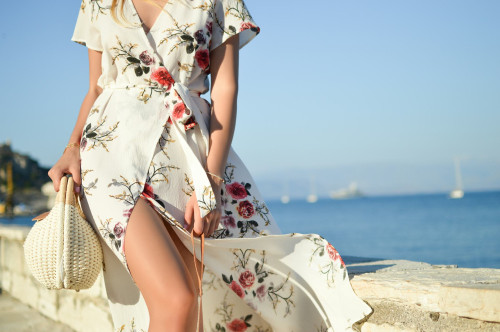
Light colors reflect sunlight and help keep you cooler, while dark shades absorb heat. That’s why white, pale blue, and pastel dresses aren’t just summery—they’re practical too.
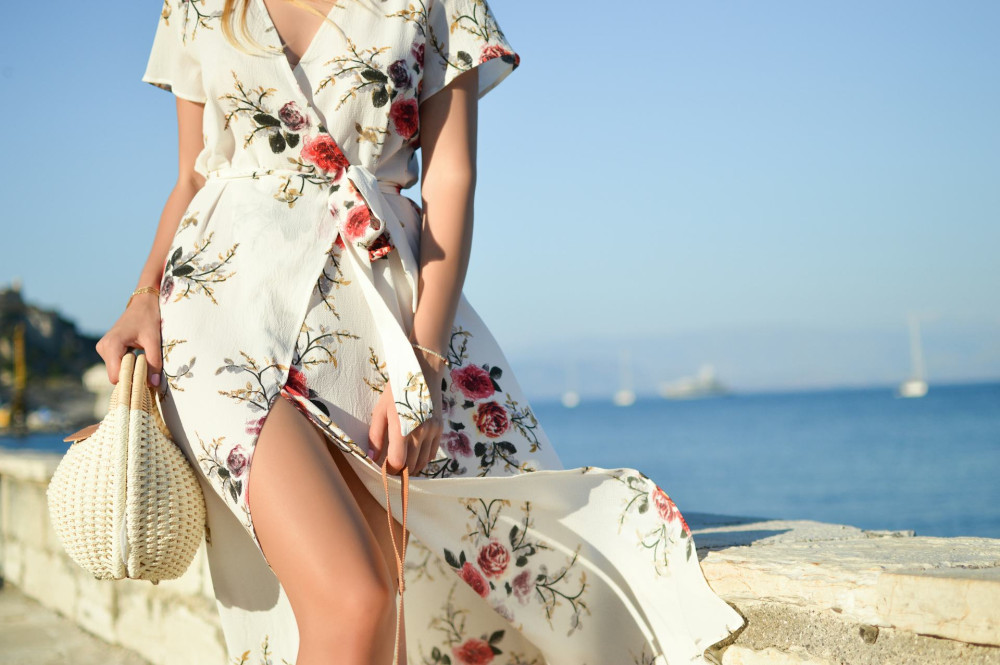
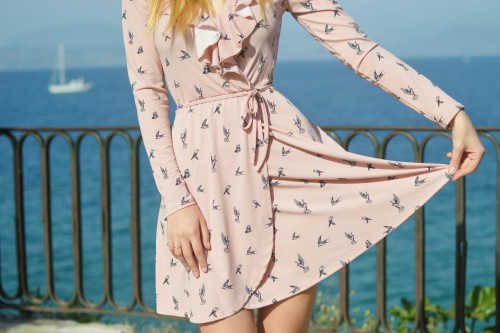
Patterns like florals, stripes, and abstract prints are summer staples. Bonus tip: bold prints can help disguise sweat marks better than solid colors if you’re spending the day outdoors.
Caring for Your Summer Dresses
Light fabrics need gentle care. Wash them in cool water with mild detergent, and skip the dryer when possible—it can wear down fibers and cause shrinkage. Linen and cotton can be ironed while slightly damp, while silk and viscose should be air-dried and lightly steamed if needed.
Hang your dresses to keep their shape, and give them space to air out between wears—especially after hot days.
The Perfect Summer Dress Is All About Feel
The best summer dress is the one you barely notice you’re wearing. It should feel light, let your skin breathe, and move with you. Whether you go for classic cotton, breezy linen, or modern Tencel, the key is finding the fabric that fits both your style and your lifestyle.
Once you find the right material, summer doesn’t just get hotter—it gets a whole lot more comfortable.
Læs også: