Rebuild Your Hair After Stress – Step-by-Step Guide

Rebuild Your Hair After Stress – Step-by-Step Guide
Stress doesn’t just affect your mind and body – it can also take a toll on your hair. Many people notice thinning, breakage, or dullness after a period of emotional or physical strain. The good news is that with patience and the right care, you can help your hair regain its strength and shine. Here’s a step-by-step guide to rebuilding your hair after stress.
Step 1: Understand What Stress Does to Your Hair
When your body is under stress, it redirects energy toward essential functions, not hair growth. This can cause more hair follicles to enter a resting phase, leading to increased shedding. Stress can also disrupt hormone balance and reduce blood flow to the scalp, weakening hair roots.
The important thing to remember is that stress-related hair loss is usually temporary. Once your body recovers, hair growth often resumes naturally. Still, you can support the process with targeted care and healthy habits.
Step 2: Nourish Your Hair from Within
Healthy hair starts with a healthy body. Focus on a balanced diet rich in vitamins, minerals, and proteins – the building blocks of strong hair.
- Protein – Found in eggs, fish, beans, and nuts. Hair is made mostly of keratin, a protein that depends on adequate protein intake.
- Iron and zinc – Support oxygen transport to hair follicles and strengthen hair structure.
- B vitamins (especially biotin) – Promote growth and help prevent brittleness.
- Omega-3 fatty acids – Found in salmon, chia seeds, and walnuts; they help maintain a healthy scalp.
If your diet is lacking, consider a hair and nail supplement, but talk to your healthcare provider first – significant hair loss can sometimes signal an underlying condition.
Step 3: Restore Balance to Your Scalp
A healthy scalp is the foundation for new growth. After stress, your scalp may become dry, oily, or irritated due to hormonal changes.
- Use a gentle, sulfate-free shampoo to avoid stripping natural oils.
- Massage your scalp while washing to boost circulation and stimulate follicles.
- Apply a scalp oil with natural ingredients like rosemary, argan, or jojoba a few times a week for hydration and nourishment.
Try not to wash your hair too often – two to three times a week is usually enough. This allows your scalp to regulate its natural oil production.
Step 4: Treat Your Hair with Care
When your hair is fragile, it needs extra kindness. Avoid unnecessary stress and damage:
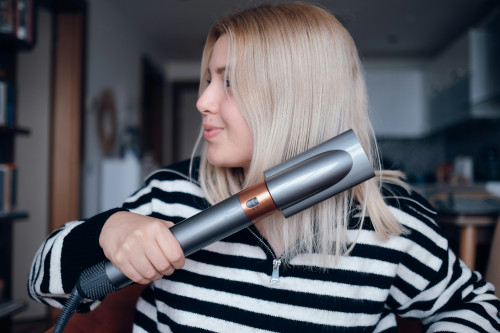
- Limit heat styling tools like flat irons and blow dryers, or use them on low heat with a heat protectant.
- Use a moisturizing conditioner or hair mask with ingredients like keratin, aloe vera, or shea butter.
- Detangle gently with a wide-tooth comb, especially when your hair is wet.
- Sleep on a silk or satin pillowcase to reduce friction and breakage.
Small changes in your daily routine can make a big difference over time.
Læs også:



Step 5: Give Your Body Time to Heal
Hair growth takes time, and reversing stress-related hair loss can take several months. That’s why it’s essential to address the root cause – the stress itself.
- Prioritize sleep – your body repairs and produces growth hormones while you rest.
- Practice relaxation and movement – yoga, meditation, or even a daily walk can help lower stress levels.
- Create moments of calm – short breaks from screens and obligations can help your body reset.
When your body and mind find balance, your hair will follow.
Step 6: Be Patient – and Stay Consistent
Hair grows about half an inch per month on average, so rebuilding takes time. The key is consistency – stick with your routine and give your body what it needs to recover.
Take progress photos to track changes. Improvements often happen gradually and can be easy to miss day to day. Remember, healthy hair isn’t just about appearance – it’s a reflection of overall well-being.
Stronger Hair, Stronger You
Rebuilding your hair after stress is about more than beauty. It’s a journey of self-care, patience, and renewal. By nourishing your body, calming your mind, and treating your hair gently, you’ll not only restore your strands – you’ll rediscover your strength from the inside out.
Læs også: